
Chicagoland Conservation
Protecting Nature, Wildlife, and People in Chicagoland
Chicagoland’s natural spaces, including its lakefront, parks, prairies, rivers, tree-lined neighborhoods, and urban gardens, are essential to our region’s health, identity, and climate resilience. IEC works to advance policy solutions that protect urban wildlife, support sustainable land use, and ensure every community has access to safe, healthy, and thriving green spaces.
Climate Change and Urban Nature
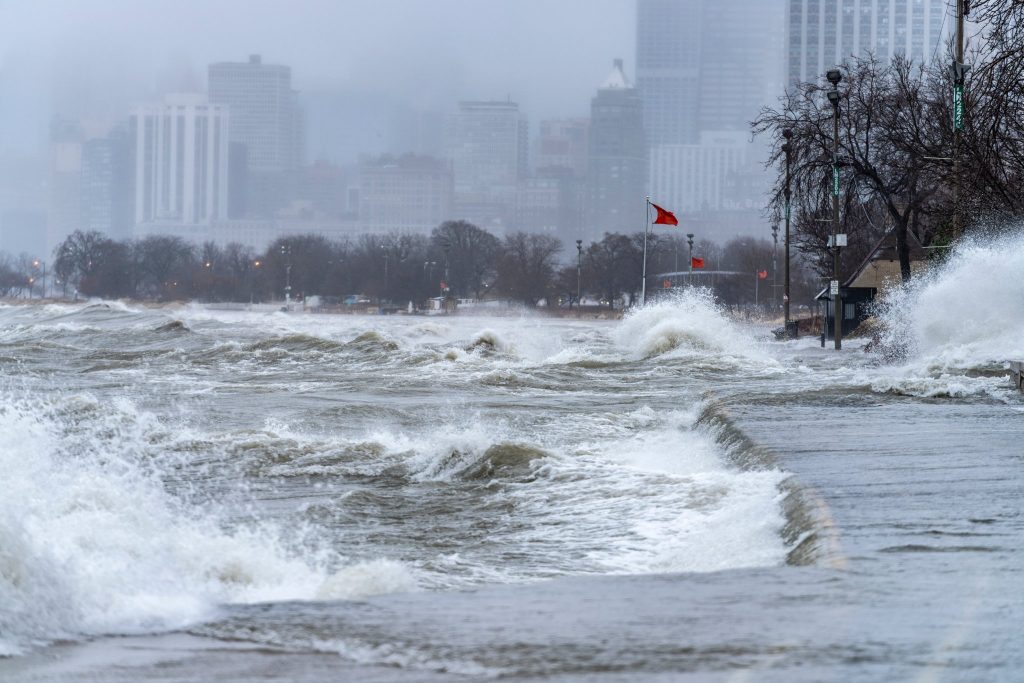
Climate change is reshaping life across Chicagoland. Stronger storms overwhelm parks, viaducts, and green infrastructure, while hotter summers increase heat stress, especially in communities with sparse tree cover. Record breaking lakefront erosion has damaged the Lakefront Trail, beaches, and shoreline habitat. Migratory birds navigating Chicago’s skyline face additional challenges as climate shifts alter their timing, routes, and food availability.
Protecting urban nature is critical for climate resilience, public health, and safeguarding the wildlife and ecosystems that define the region.

Wetlands and Chicago
Chicago and the Chicagoland area still have valuable wetlands that help reduce flooding, clean our water, and provide habitat for wildlife. With increasing development and climate impacts, protecting the wetlands we have left is critical for resilient communities and healthy ecosystems.
Public Health and the Environment
Conservation in Chicagoland is also a matter of public health and environmental justice. Many neighborhoods that have experienced decades of disinvestment face fewer trees, poorer air quality, higher exposure to industrial pollution, and hotter temperatures. Ensuring equitable access to nature and climate resilient green infrastructure is essential for a healthier and more sustainable Chicago region. Community gardens from Altgeld Gardens to Little Village to Uptown are expanding access to green space and fresh food throughout the city.
IEC partners with local advocates, community organizations, planners, and environmental leaders to help shape a future where Chicagoland’s natural spaces and wildlife are protected, restored, and accessible to all.
A Biodiversity Hotspot
Although Chicago is one of the nation’s largest cities, it is also a biodiversity hotspot. Positioned along the Mississippi Flyway, the region hosts millions of migratory birds each year. The Chicago Park District manages more than 600 parks, while the Forest Preserves of Cook County steward one of the largest urban conservation districts in the nation.
Ongoing Challenges Facing Chicagoland Conservation include:
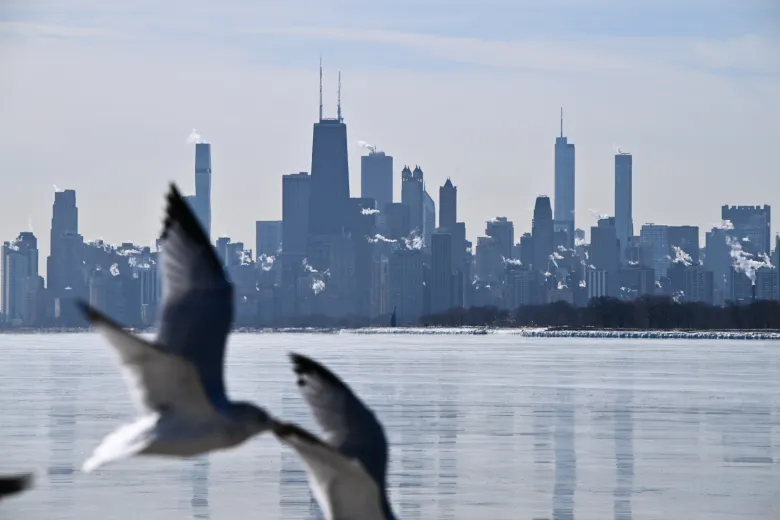
Glass heavy downtown buildings, rodenticide exposure, habitat loss, and light pollution put migratory birds and urban wildlife at risk.
Stronger storms and extreme heat strain at the lakefront, parks, trees, and natural areas, causing erosion, flooding, and infrastructure damage.
Communities such as Austin, North Lawndale, and South Chicago have significantly fewer trees and park acres than the city average.
Invasive species, fragmented habitat, and limited native plantings reduce food sources for pollinators and birds.
Chicago neighborhoods continue to face limited grocery access and underinvestment in community based food infrastructure.
IEC's Chicagoland Conservation Vision
IEC envisions a Chicagoland where wildlife can thrive in an urban setting and where parks, forest preserves, and natural areas are protected, well funded, and accessible across all neighborhoods. This vision includes stronger local food systems supported by community led agriculture, along with nature-based climate solutions like tree planting, green roofs, and native landscaping. Above all, IEC works toward a region where every Illinoisan can breathe clean air, find cooling shade, and enjoy the health benefits of vibrant green spaces.
We’re working to amplify:

Bird Friendly Buildings
Local Food Systems
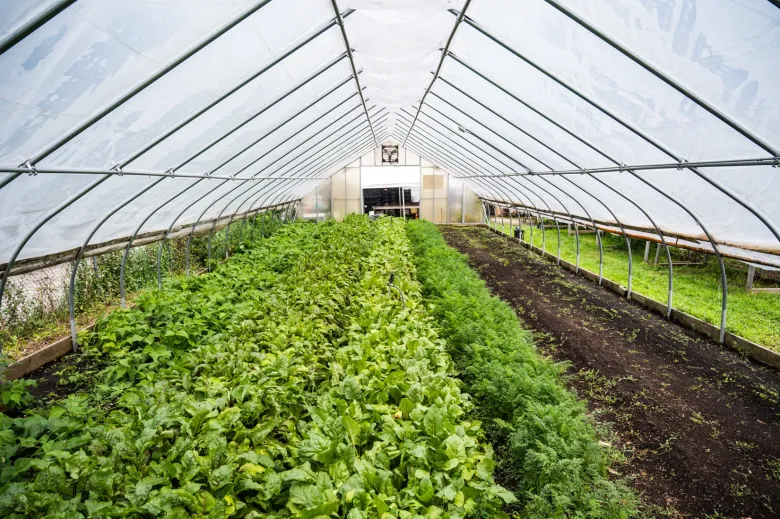
Strengthening Chicago’s food systems means supporting urban farms in Englewood, community gardens in Humboldt park, rooftop farms in West Town, and local growers across the region. IEC advocates for policies that expand urban agriculture, increase access to farmers markets, encourage local procurement, and improve soil health. Investing in community-led food systems reduces emissions, strengthens neighborhood resilience, and increases access to fresh and affordable produce.
Urban Nature: Parks, Trees, and Native Habitat
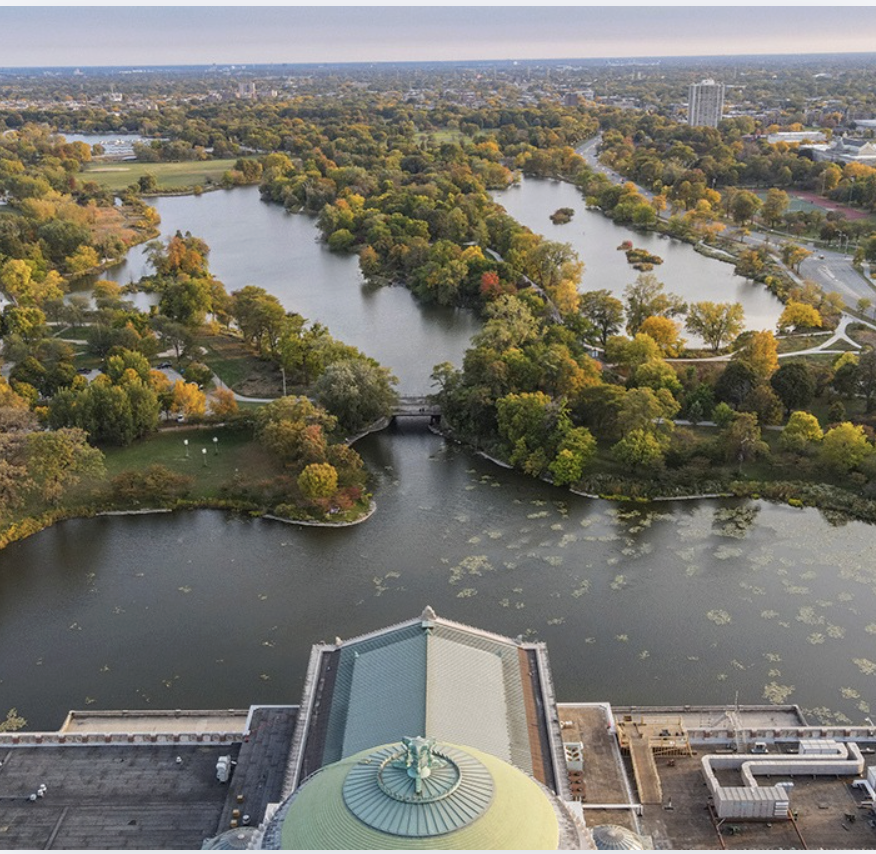
Chicagoland’s urban nature network, including parks, boulevards, forest preserves, neighborhood green spaces, and community gardens, forms the foundation of regional conservation and climate resilience. Places such as Jackson Park, Big Marsh Park, Montrose Dunes, and the North Branch Preserves provide essential habitat and recreation for millions.
A healthy urban tree canopy is one of Chicago’s most powerful climate tools. Trees cool overheated neighborhoods, filter polluted air, reduce flood impacts, and improve quality of life. Yet tree distribution is inequitable, with communities on the South and West sides often experiencing the lowest canopy cover and highest heat vulnerability. IEC supports increased funding, equitable planting, and protections for mature trees that form the backbone of neighborhood ecosystems.
Native plants, found in landscapes like the 606 Trail, community gardens across Bronzeville, and prairie restorations in the Forest Preserves, are crucial for supporting pollinators, migratory birds, soil health, and stormwater management. Integrating native habitat into boulevards, schoolyards, housing developments, and vacant lots creates ecological corridors that help wildlife move through the city and thrive.
Together, Chicago’s parks, trees, and native landscapes build essential urban habitat, strengthen biodiversity, and create a more climate resilient region for generations to come.
Rodenticide Alternatives
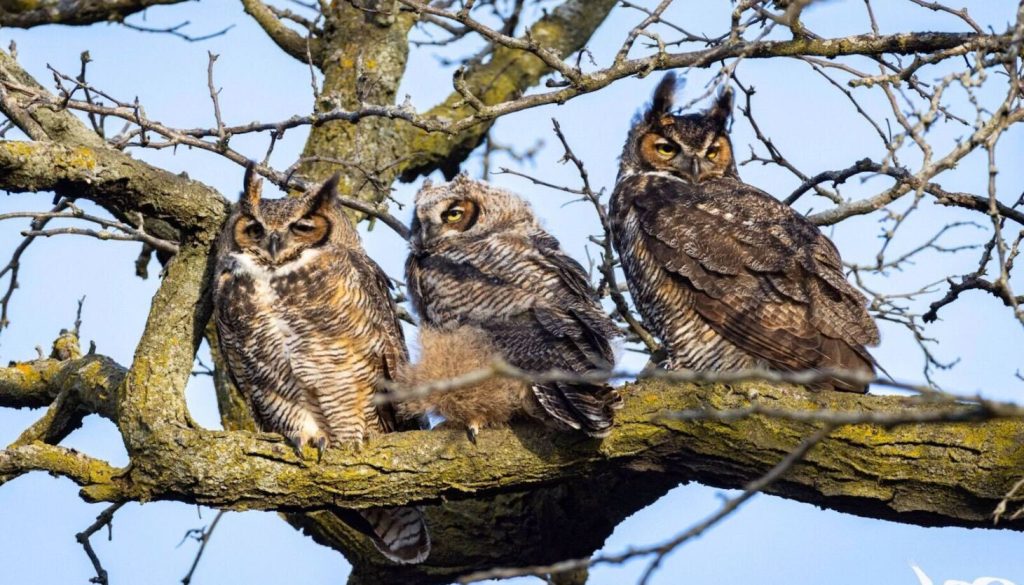
Chicago’s reliance on second generation rodenticides has led to secondary poisoning of raptors such as red tailed hawks and great horned owls, along with pets and other wildlife. IEC promotes science based pest management that replaces toxic products with effective and humane alternatives. Protecting raptors, which serve as natural predators of rodents, is key to a balanced urban ecosystem and healthier neighborhoods.
Chicagoland Conservation Policy Development
IEC advances conservation policy that shapes Chicagoland’s ecological future. Recent victories include:
Conservation Wins in Northeastern Illinois
Voters overwhelmingly choose to fund new land protections, restoration projects, trail expansions, and watershed improvements across Cook, Lake, DuPage, and Will Counties, strengthening habitat connectivity and building climate resilience across the region.
Wetland Protections in Chicago
After federal rollbacks, IEC continues pushing for wetland restoration in Chicago that is critical for flood control, bird habitat, and water quality.
Read our blog about protecting wetlands!
Rewilding Efforts
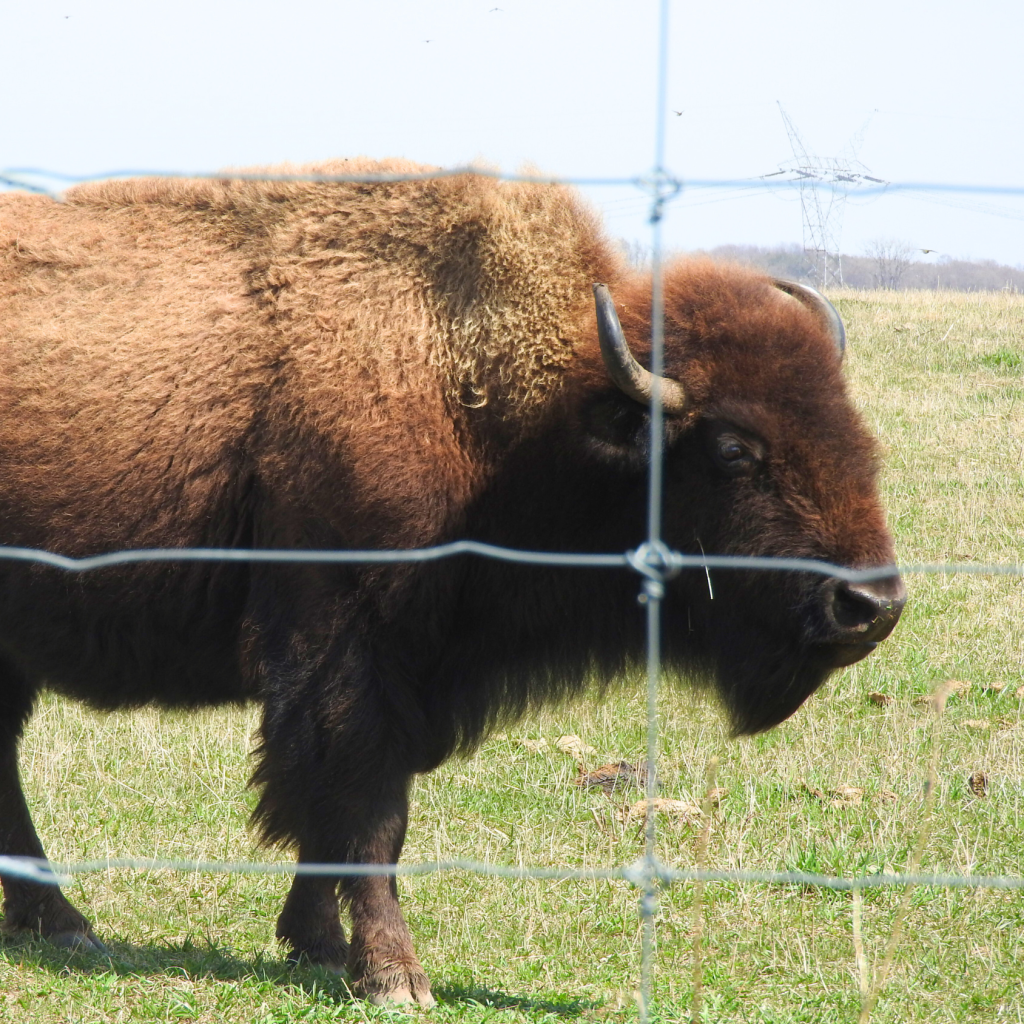
Illinois is supporting efforts to restore species like beavers and bison, improving biodiversity and climate resilience statewide, with benefits reaching Chicagoland watersheds and habitats.
Learn more from this release on rewilding efforts!
Native Plants Gardens Registry Ordinance
The unanimous passage of the Native Plants Gardens Registry Ordinance allows Chicago residents to practice sustainable gardening without the risk of burdensome fines. This ordinance ushers in new protections and fosters broader support for native plants and healthy ecosystems across the city.
Chicagoland Conservation Tour Highlight
Tour Highlight
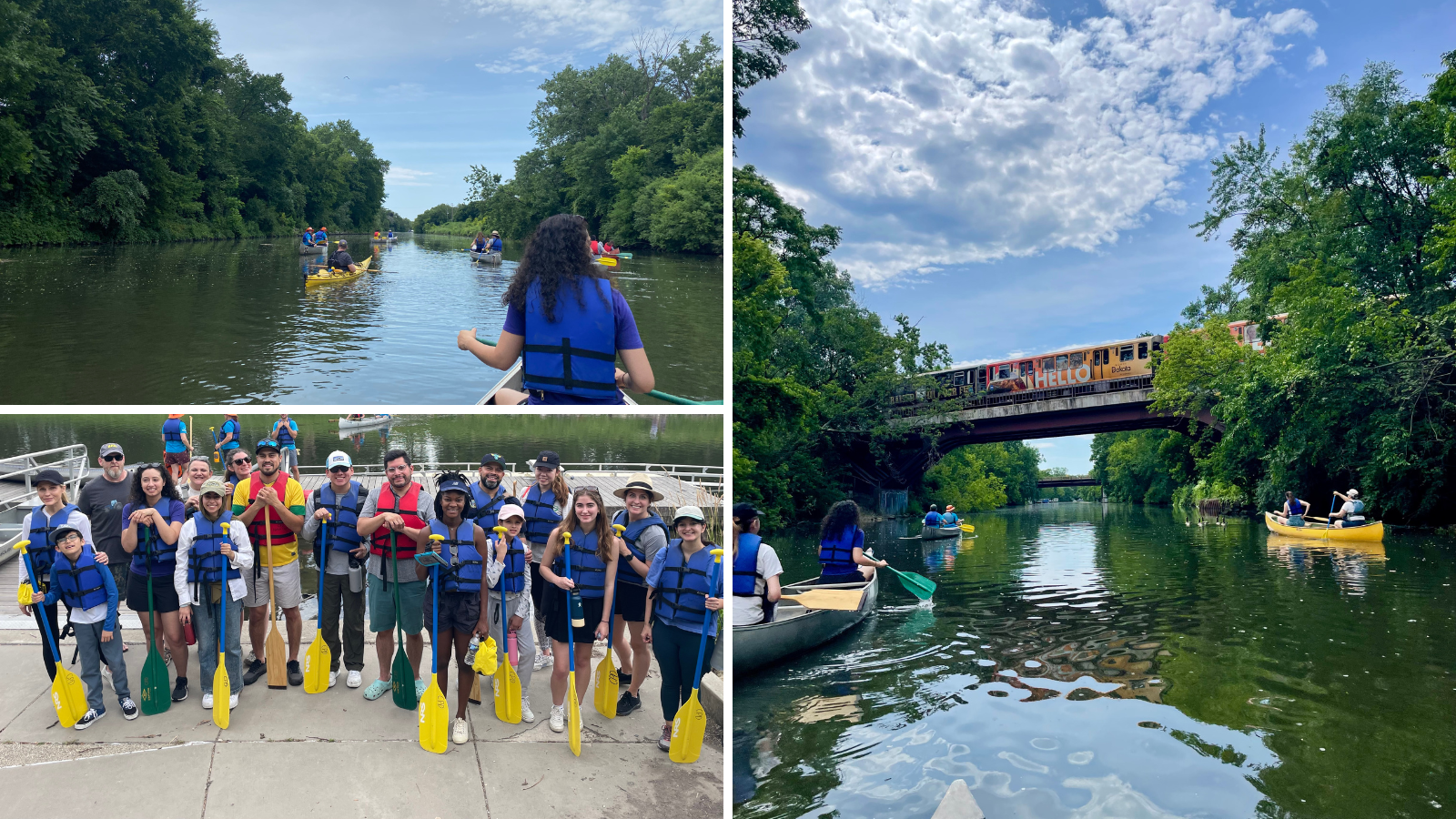
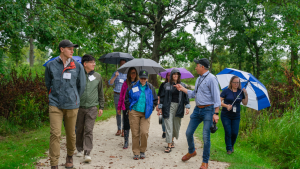
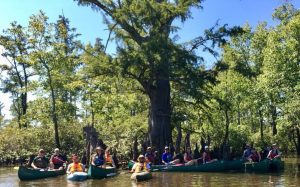
In June 2024, IEC staff and decision-makers paddled along the North Branch of the Chicago River with Friends of the Chicago River and Alderpersons Carlos Ramirez-Rosa and Andre Vasquez.
The tour highlighted decades of river restoration, showing how the once-polluted river now supports wildlife, improves water quality, and offers vital recreational opportunities for city residents.
Stories from Our Tours

Discover More

IEC's Conservation Experts
Jen Walling
Chief Executive Officer
Lindsay Keeney
Chief Programs Officer, Conservation & Agriculture
Sergio Vargas
Chicagoland Conservation Policy Manager