IEC works to safeguard Illinois—its people, its plants and animals, and the natural systems on which all life depends by building power for people and the environment. These six issue areas guide our policy, program, and legislative priorities.
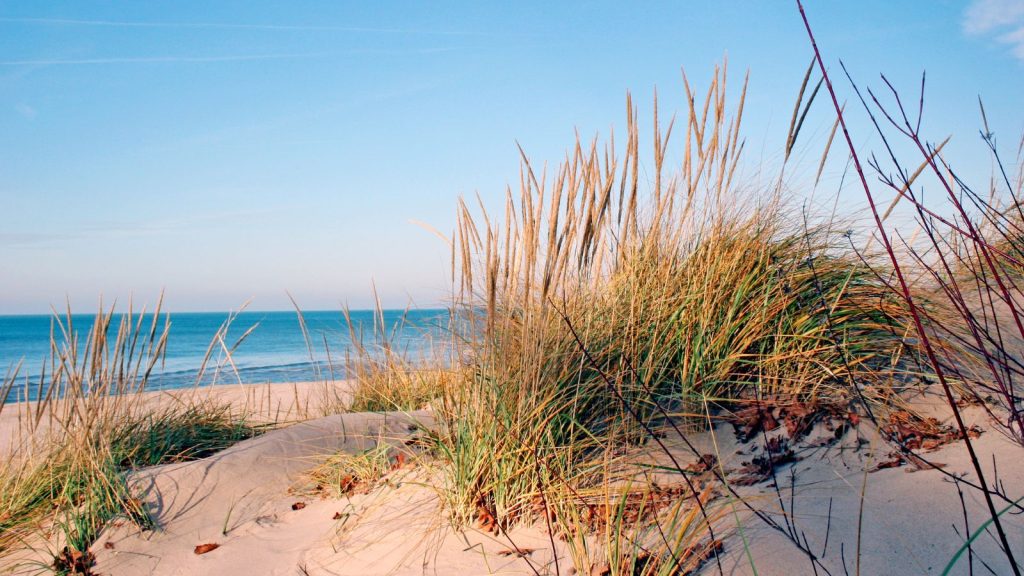
Natural areas — and the plants and animals that depend on them — are disappearing at an alarming rate. Less than 0.01% of Illinois’ iconic prairie remains undeveloped. It’s not just prairies under threat. Many unique habitats, like wetlands, are also at risk. Our state has lost 90% of its historic wetlands to development and urbanization.
Science-backed, innovative policy solutions, as well as increased resources for open space stewardship, are critical.
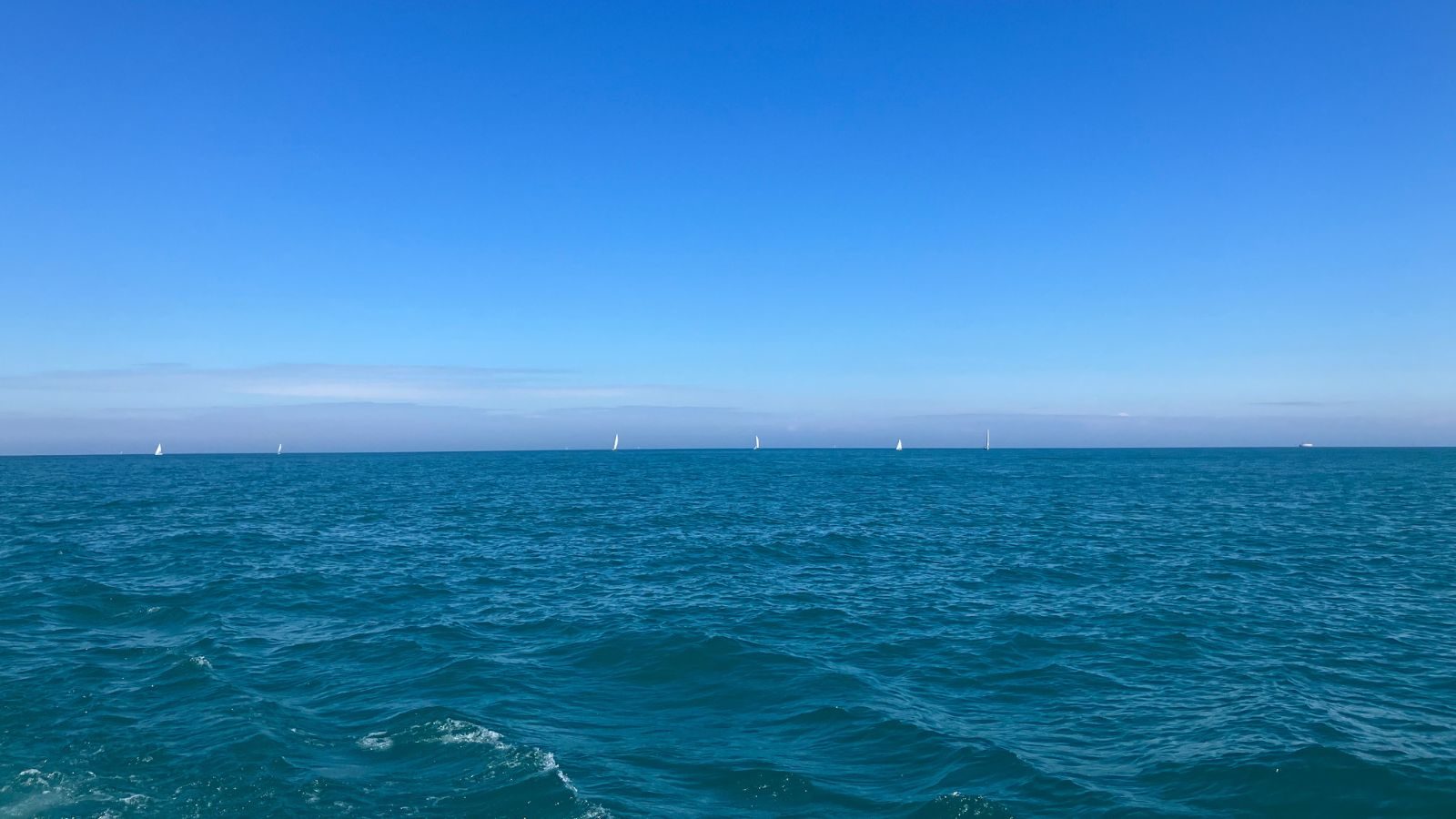
IEC is committed to advancing smart, equitable water policies with the Great Lakes as our guiding focus. From defending Lake Michigan against invasive species and plastic pollution to ensuring safe, lead-free drinking water in every home, IEC works to safeguard the waters that define our state.
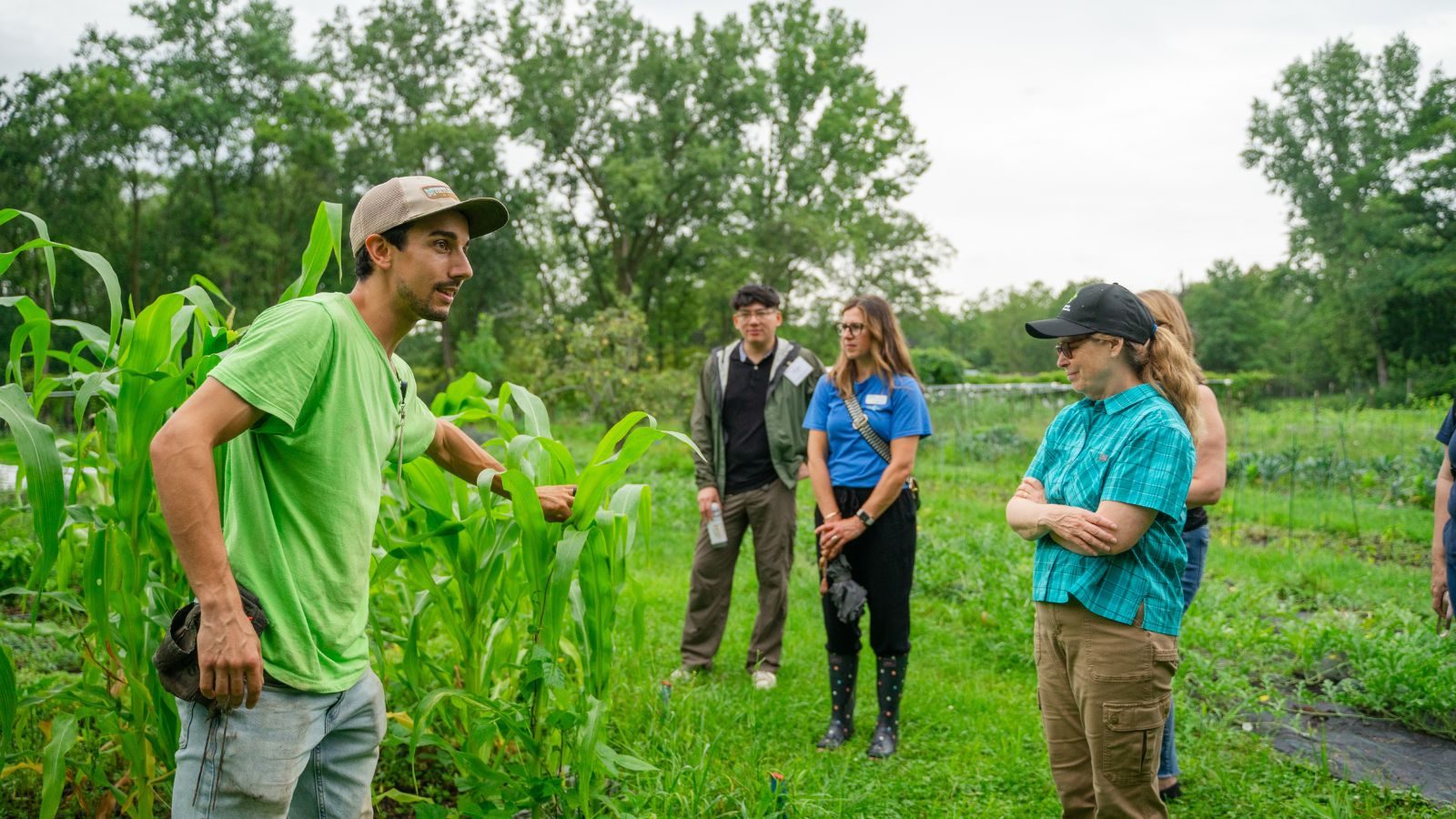
Agricultural commodities in Illinois generate more than $19 billion annually, and billions more from agriculture-related industries.
Unfortunately, Illinois’ agricultural operations often lead to the contamination of our water resources. About 20% of our rivers have been degraded due to the production of crops and soil erosion, which leads to sedimentation in waterways; nutrient pollution from phosphorus and nitrogen contained in fertilizer and animal manure; pesticide pollution; and CAFOs.
Illinois has a long history of championing recycling and composting programs, but it has a long way to go. We generate approximately 19 million tons of garbage a year, which is 23% more waste per capita than the average state in the U.S. Sadly, only 37% of this waste material is ever recycled.
Additionally, even though estimates of Illinois’ waste stream indicate that nearly 20% is organic and 23% is food scrap, only 13% and 1% of these materials, respectively, is diverted from landfills (composted)–this places Illinois behind other states in removing food scrap from our waste stream.
See our reports and analyses designed to help you, our affiliates, and our decision-makers better understand the issues our environment is facing in Illinois at the city, state, and federal levels.