
Wildlife and Habitat
A State Connected by Water, Land, and Life
Stretching nearly 400 miles from the shores of Lake Michigan to the cypress swamps of the south, Illinois is home to an extraordinary range of ecosystems and species. From the Iowa Pleistocene snail in the northwest to bird-voiced treefrogs living in the 1,000-year-old cypress swamps in the south, biodiversity is woven into the health of every community. Migratory birds rest along the Mississippi Flyway, freshwater mussels filter our rivers, and complex food webs connect species across land and water.
Illinois supports remarkable biological diversity, including approximately 58 mammal species, 383 resident and migratory bird species, 104 reptiles and amphibians, 174 fish species, and an estimated 27,000 insect, mussel, and other invertebrate species. These species do not exist in isolation. Healthy ecosystems depend on balance, and the removal of even one species can cause cascading impacts, such as population explosions or declines elsewhere in the food web.
Many of Illinois’ species and habitats are directly tied to the Great Lakes, one of the most significant freshwater ecosystems on Earth. Lake Michigan alone provides drinking water to millions of Illinoisans, supports diverse fisheries, and anchors a web of wetlands, prairies, forests, rivers, and floodplains that sustain wildlife across the state.
The Great Lakes and Habitats of Special Significance
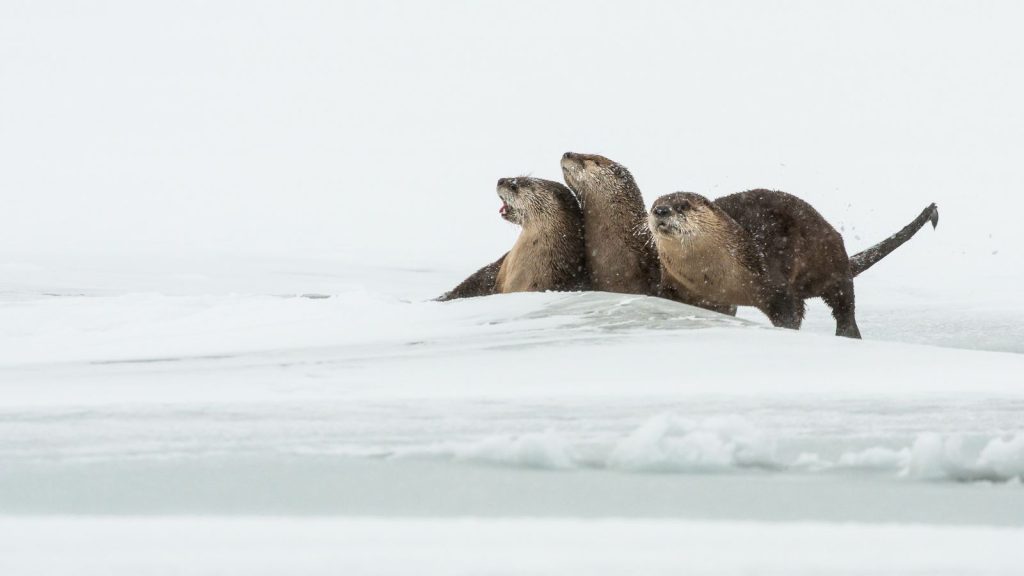
The Great Lakes ecosystem supports a wealth of biological diversity, including many species and natural communities of global significance. Of the animal and plant species and natural community types identified within the Great Lakes basin, 131 are considered critically imperiled or rare globally.
The basin is also heavily populated and developed. More than one tenth of the U.S. population and more than one quarter of Canada’s population live within the Great Lakes basin. Nearly 25 percent of total Canadian agricultural production and 7 percent of U.S. agricultural production occur there, alongside some of the world’s largest concentrations of industrial capacity. These human activities place significant stress on the basin’s ecosystems and continue to pose serious threats to biological diversity.
In Illinois, Lake Michigan is closely connected to inland rivers, wetlands, and floodplains. Wetlands along the lakefront and tributaries provide habitat for fish and birds, buffer communities from flooding, and help filter pollutants before they reach open water. Protecting the Great Lakes means safeguarding clean water, resilient habitats, and the communities that depend on them.
Threats to Wildlife and Habitat
Despite this richness, Illinois’ ecosystems have changed enormously, and many wildlife populations have declined at alarming rates.
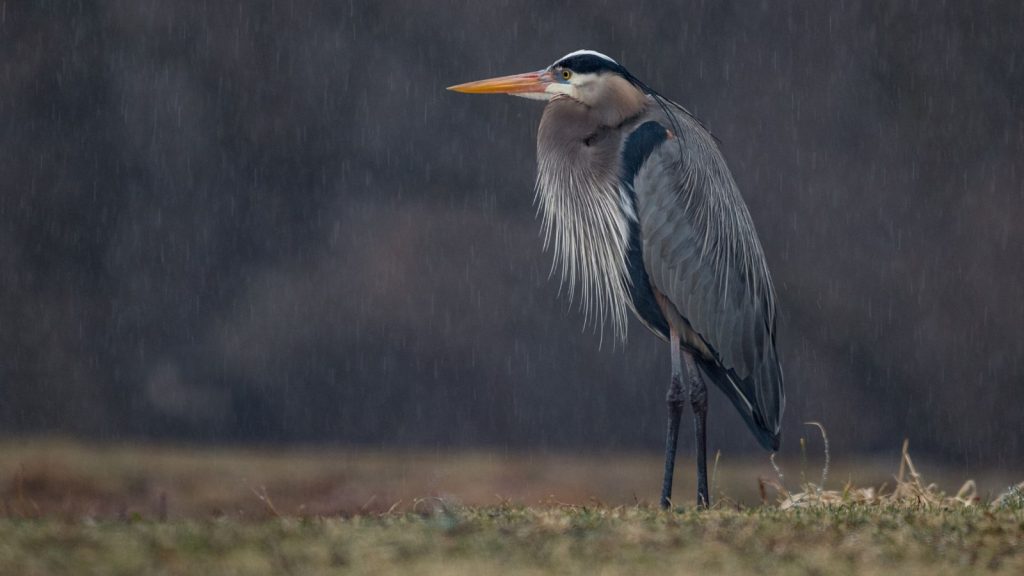
Development has reduced and fragmented prairies, wetlands, and woodlands across the state. The size of remaining woodlands limits the abundance of some native species, making the protection of larger, intact forested areas especially important. Habitat loss also reduces access to floodplains and other critical breeding and feeding areas.
A 2004 study found that approximately 27 percent of Illinois flora is non-native. The dominance of non-native plants reduces habitat for native plant communities and weakens the food systems on which insects rely. Species that depend on those insects are also imperiled.
In aquatic systems, invasive species pose a grave threat. Silver carp, first introduced in the 1970s to remove algae from catfish farms, escaped into the Mississippi River system and migrated north. Also known as flying carp, these fish can grow to more than 50 pounds. The connection between the Illinois River and Lake Michigan facilitates the transport of invasive species, putting the Great Lakes at risk. Silver carp displace native fish through filter feeding, thereby removing the base of the aquatic food chain.
Locks and dams disrupt river habitats by preventing fish and mussels from moving freely and by limiting the growth of submerged vegetation. They also disrupt the natural flooding cycles on which many species depend to access floodplains for nesting and rearing young. Climate change compounds these challenges through increased rainfall, more frequent flooding, and warming waters, which stress both wildlife and human communities.
Why Habitat Protection Matters
Despite this richness, Illinois’ ecosystems have changed enormously, and many wildlife populations have declined at alarming rates.
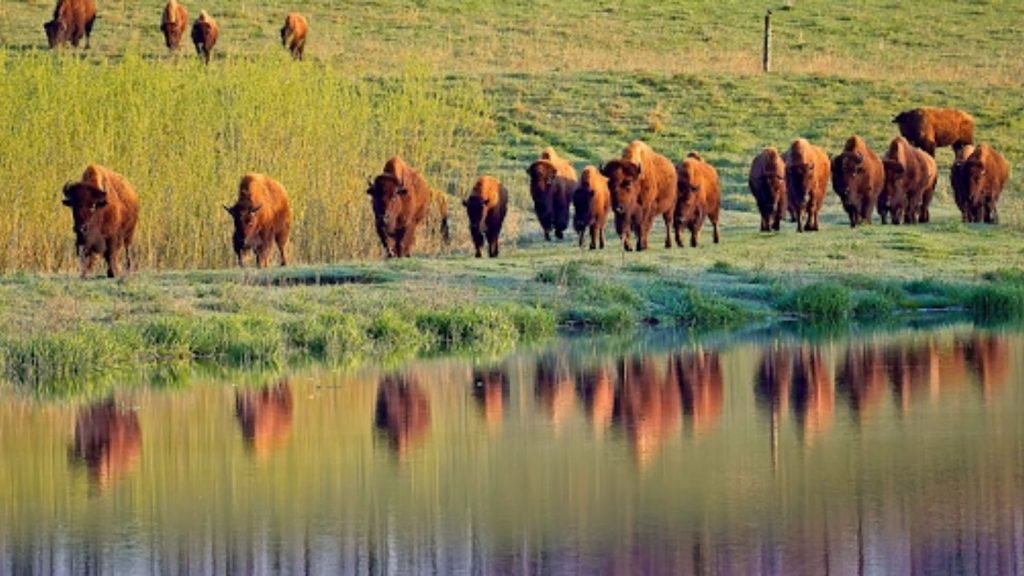
Protecting wildlife habitat provides benefits far beyond diversity. Healthy ecosystems help control flooding, reduce soil erosion, improve water quality, and offer recreation and open space for communities.
Wildlife-related recreation also plays a significant role in Illinois’ economy. The state generates nearly $1.1 billion annually from wildlife watching. Hunters spend approximately $150 million annually pursuing game; more than $550 million is spent annually on recreational fishing; and commercial fishing generates roughly $4 million in retail value. These activities support jobs and play an essential role in many economically struggling rural and small communities.
Safeguarding native habitats is not only about protecting plants and animals. It is about ensuring clean water, resilient landscapes, and a high quality of life for current and future generations.